
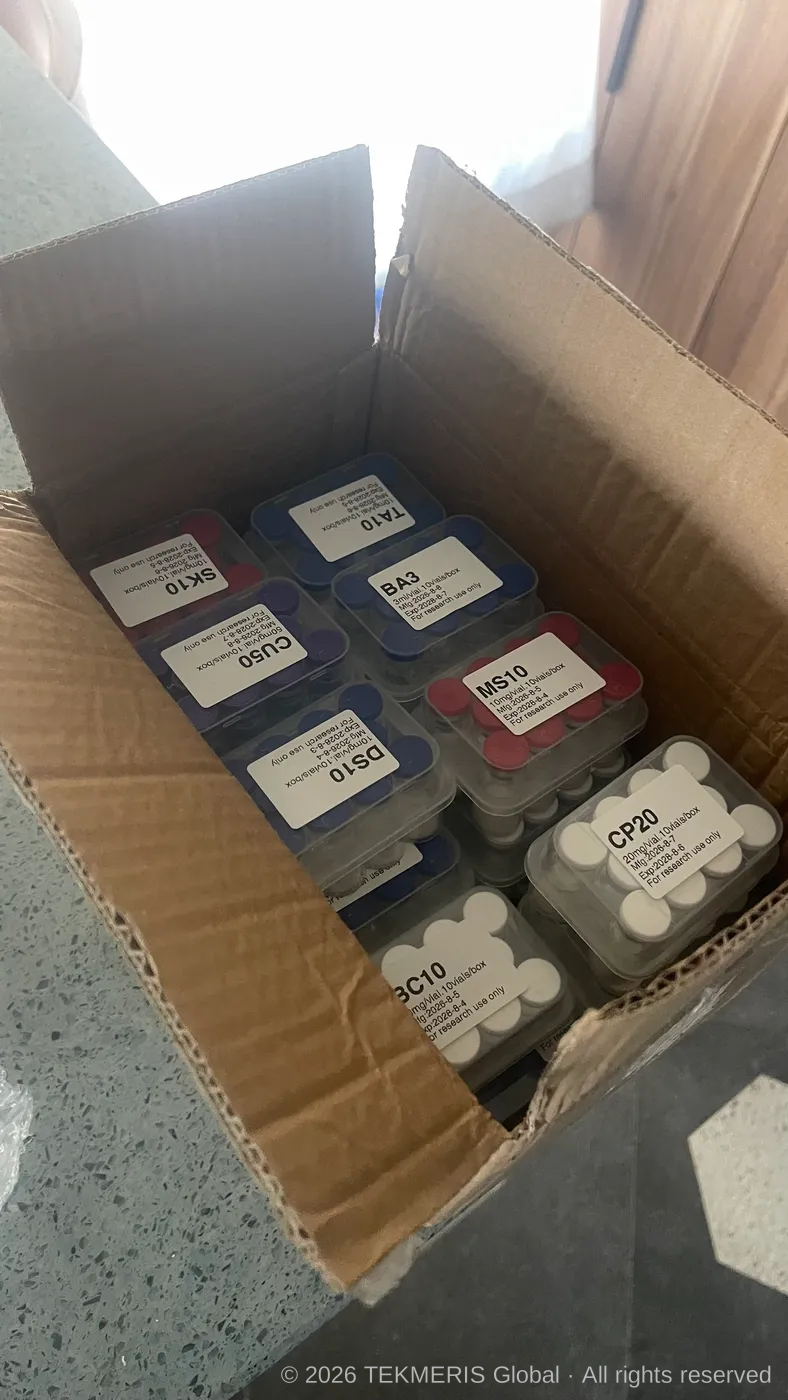
Start with what arrived
Connect the packaging to the records.
Packaging can show visible labels and codes. The records must establish how those packages connect to the tested sample and named production batch.
Download the TEKMERIS Protocol (PDF) →Seven-market overview; not a peptide-specific laboratory standard.
Tamper-evident packaging. Serialised TEKMERIS seals.
For an agreed future production batch, TEKMERIS oversees tamper-evident packaging and the attachment of a uniquely numbered seal to each covered packet or carton. Each seal number links that package to the dated record of the production activity and sealing observed. Existing stock cannot be retrospectively witnessed.
- Tested sampleWhat was selected and tested?
- Production batchWhat links the sample to this batch?
- Exact sealed packagesWhich serials were assigned?
Read the packaging without filling in the gaps
What can this packaging actually tell you?
A peptide certificate of analysis (COA) describes an identified sample and the tests performed. Batch traceability needs supporting records connecting that tested sample to the named production batch and the exact packages.
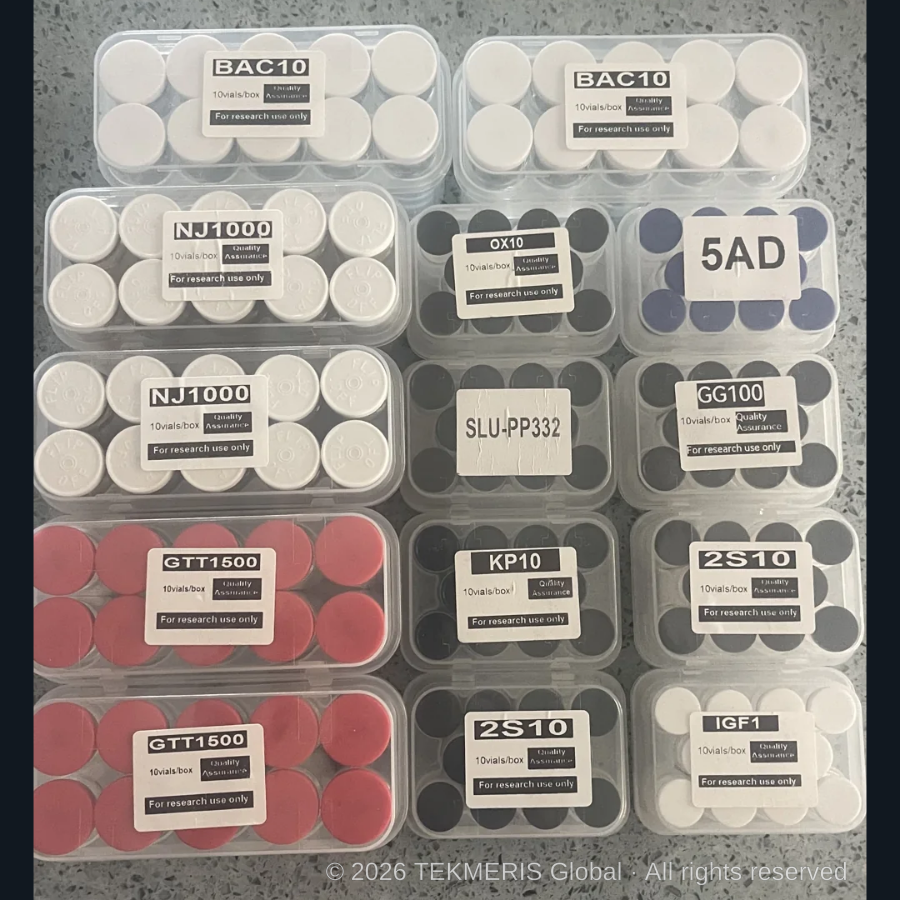
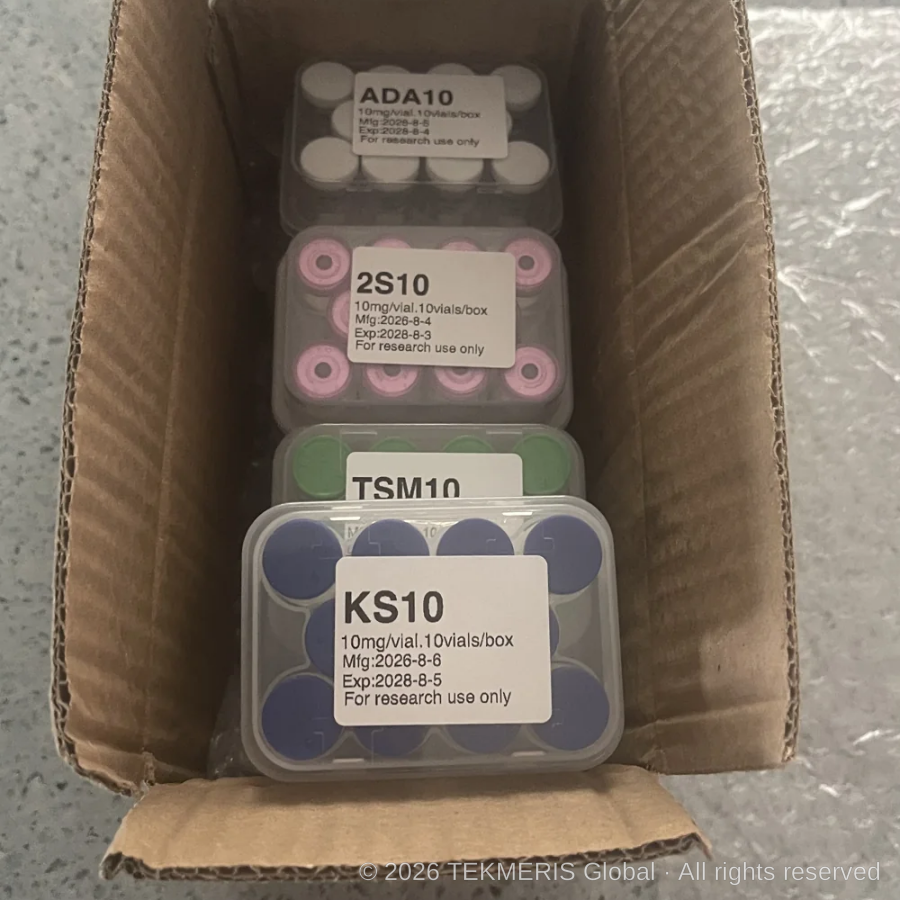
Visible in these photographs
Clear boxes of capped vials, shorthand codes, quantity labels and “For research use only” wording. The carton views also show packing material and date labels.
What still needs supporting records
The photographs alone do not establish what each code refers to or connect a tested sample to a production batch and these packages. Other surfaces and accompanying documents are not shown. The images do not establish contents, origin, safety, legality or fraud.
No TEKMERIS seal is visible on the pictured packaging faces. This does not establish what is on unseen surfaces or in other records.
From the box to the individual vial
What stays connected when the packaging is opened?
A familiar appearance is a starting point for questions. Which records identify the production batch, the sample tested and the exact packages covered?


Larger vials. The same checks.
These cases carry NJ1000 and GTT1500 codes. The labels and photographs do not establish vial capacity, contents or amount. Check the supporting batch and laboratory records.
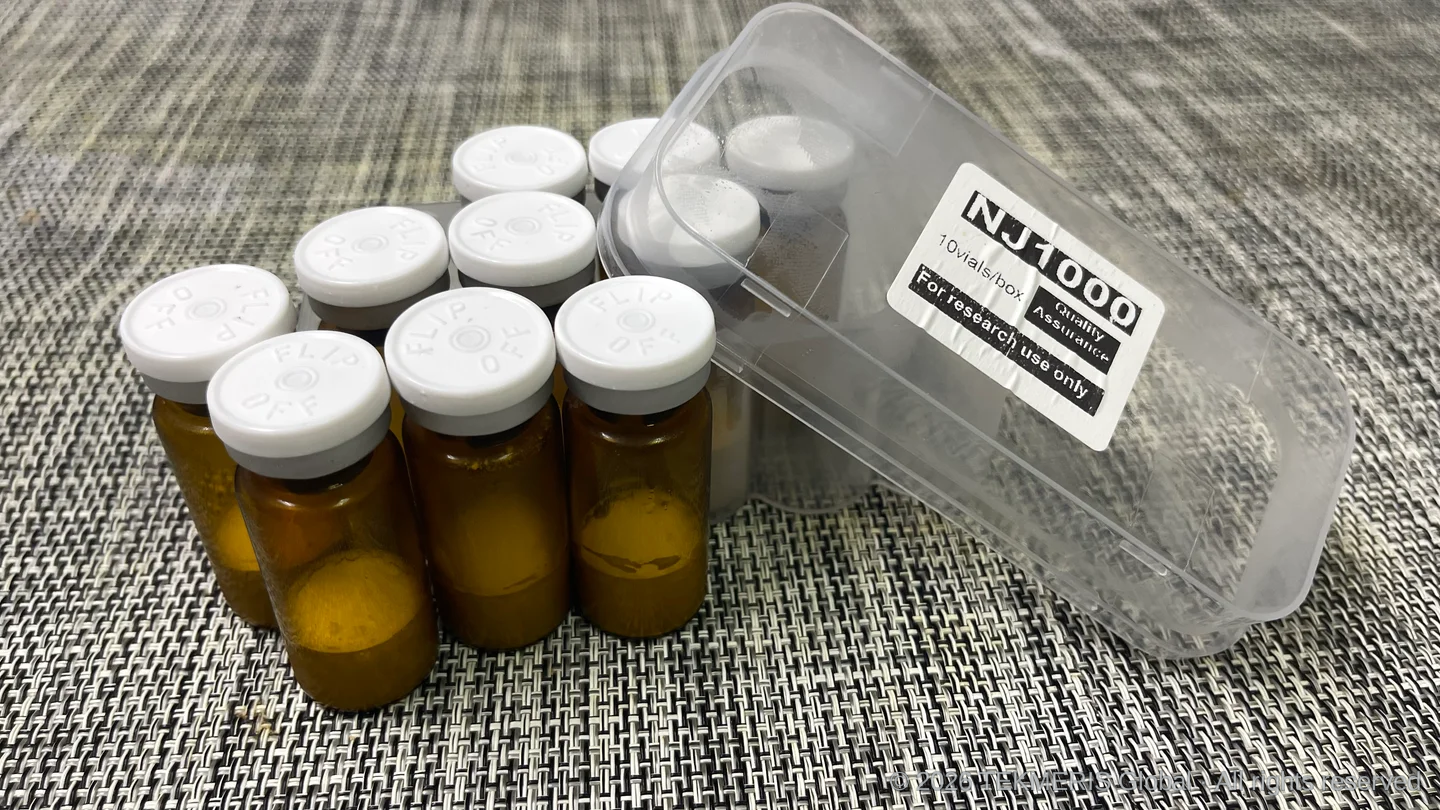

Keep the physical details and the evidence record distinct.
A case, a cap and a printed code each describe something visible. Supporting records must establish the relationships between the sample tested, the named production batch and the exact packages covered.

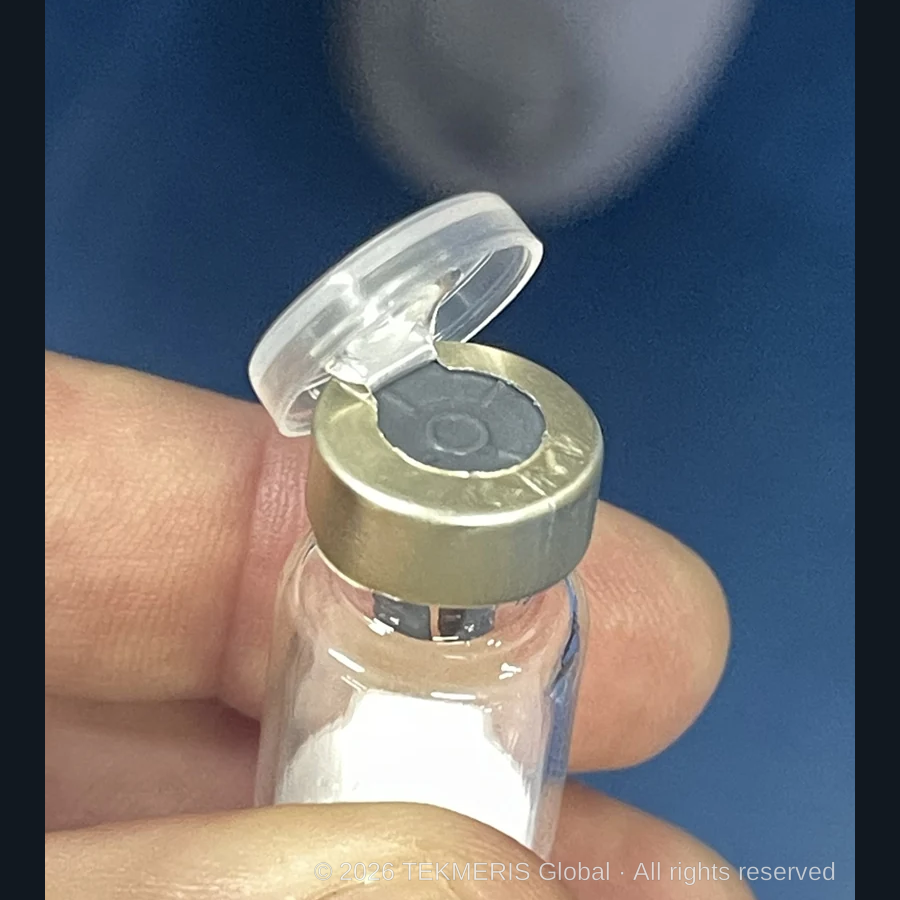
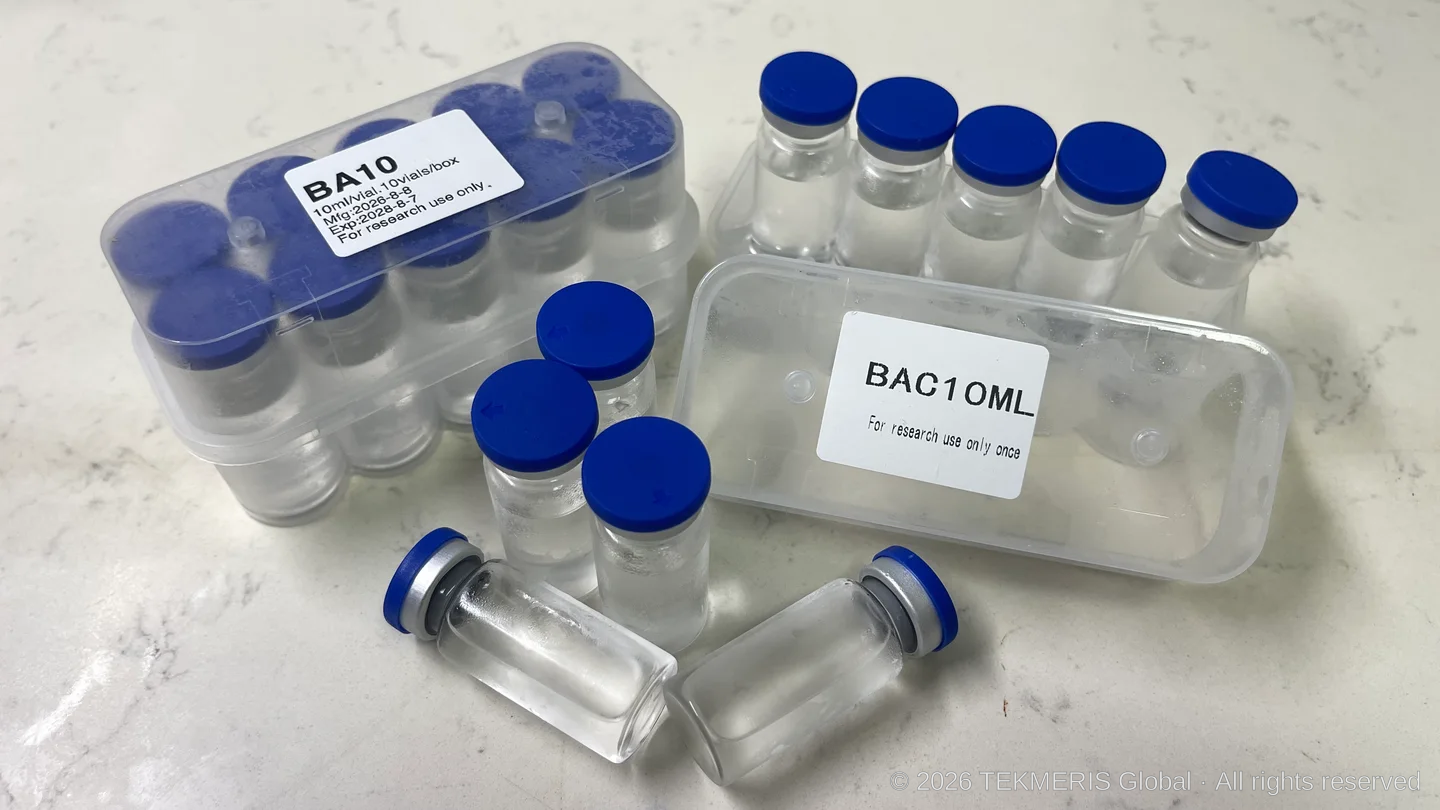
What about the water used for reconstitution?
Bacteriostatic water (BAC water) supplied for peptide reconstitution needs its own checks. A peptide COA does not cover it. Ask for its batch details and relevant laboratory results for composition, sterility and endotoxins.
For received stock, inspect all packaging and available records now. Use the five evidence checks below; do not assume an unseen detail is absent. For the next planned batch, arrange observation before the activity if lawful scope and site access can be agreed.
The TEKMERIS service
What the TEKMERIS seal adds.
A controlled physical marking
Individually identified tamper-evident seals connect the exact assigned packages to the agreed observation record. Factory staff or equipment may apply them under direct TEKMERIS observation and control. The manifest records actual assignments, including non-sequential serials; a range alone does not define coverage.
A dated account of what was seen
The record identifies the production batch, attendance date, scope, observer notes and limitations. TEKMERIS’s observation reference is separate from the manufacturer’s batch number and the laboratory’s sample ID. Sealing is not laboratory testing, tamper-proof protection or a guarantee of contents or safety.
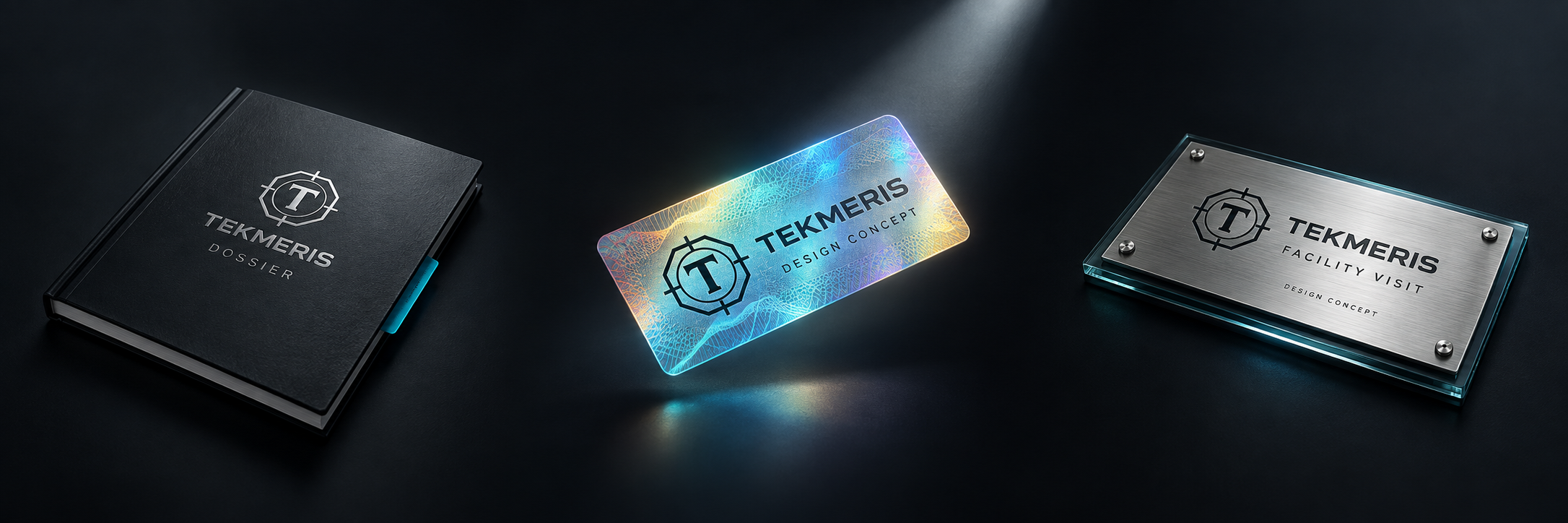
Dossier, package-seal and facility-badge concepts from the seven-market Protocol. These are illustrative designs, not completed engagements or live registry features.
View the fictional observation and sealing report →
The demonstration uses olive oil. It is not a completed peptide engagement or a live example of all proposed registry features.
Fictional example — no real supplier or TEKMERIS engagement
What can a COA tell you, and what must you check separately?
This invented document illustrates the fields a buyer may encounter. Every identity, reference and result below is fictional. It is not a laboratory report, a real product result or evidence of a TEKMERIS engagement.
Certificate of analysis mock-up
- Client · fictional
- Example Buyer
- Listed supplier / manufacturer · fictional
- Example Peptide Manufacturer
- Sample ID · fictional
- DEMO-S04
- Listed production batch · fictional
- DEMO-B12
| Analysis | Illustrative method | Fictional result |
|---|---|---|
| Identity | Mass spectrometry | Illustrative match |
| Chromatographic purity | HPLC | 98.7% · invented |
| Content / assay | Not included | Not reported |
| Sterility / endotoxins | Not included | Not reported |
How to verify a peptide COA: five evidence checks.
- 01
Confirm the report
Check the laboratory and report reference through the issuer’s independently found website or contact details. Read the sample ID, methods, dates and limits. A supplier’s PDF or QR code alone is not issuer confirmation.
- 02
Trace the sample
Who selected it, from which stock and when? Ask for selection, dispatch and laboratory-receipt records. A sample chain of custody describes those handovers; a printed code does not establish them.
- 03
Identify the production batch
Compare the peptide batch number across the report, production and sample records. Ask what supports the relationship. A matching code is a starting point, not proof of the full physical link.
- 04
Find the exact package
Check the assigned serial manifest, including non-sequential serials. Confirm the packaging level: a sealed carton does not mean every inner vial carries its own seal.
- 05
Read the dated record
Compare scope, date, observer notes and physical seal condition. Distinguish TEKMERIS observations, supplied information and independently confirmed facts. Record any unsupported link.
For practice and pharmacy purchasing teams
Build a clear evidence brief for your team.
For professional purchasing teams, the key question is what connects the tested sample to the production batch and the exact packages. Agree the questions, site access and proposed observation before production begins.
Define the work before production
Commission a prospective observation of agreed activity at a named site, subject to acceptance and access. TEKMERIS records the attendance date, defined production batch, observed activity, exact covered packaging and seal assignments, together with unavailable evidence and scope limitations.
Prepare an evidence brief for leadership
Use the fictional report to discuss the format and proposed scope with your team; it is not evidence for a purchasing decision. An issued report distinguishes observations from supplied information and independently confirmed facts. Optional laboratory evidence remains separate.
Package coverage and limits
A seal covers only the explicitly assigned packaging level. Sealing a carton does not mean each inner vial has an individual seal or separate coverage. TEKMERIS observation is not GMP certification, regulatory approval, a purchasing recommendation or a guarantee of clinical safety.
Client responsibilities
Each client remains responsible for applicable local rules on import, compounding, prescribing, supply, advertising and use, as well as its own professional and procurement decisions.
Optional independent evidence
Check what the laboratory tested.
Choose the laboratory and tests
The client selects an independent laboratory or requests a TEKMERIS laboratory recommendation. Testing is optional and separately charged to the client.
Agree on the tests, methods and limits with the laboratory; there is no universal fixed panel. A COA may report some or all of the analyses below. Check the issued report.
Sample dispatch and custody
TEKMERIS Global does not physically store or take custody of peptide products.
The factory packages and dispatches identified samples directly to the selected laboratory under the agreed instructions. TEKMERIS may coordinate those instructions. Read the custody rule and laboratory workflow.
- Identity and chromatographic purity
- Identity evidence, such as mass spectrometry where appropriate, answers a different question from a chromatographic purity percentage.
- Content or assay
- What quantity or concentration was measured, by which method? Do not substitute a purity percentage for a content result.
- Endotoxins, sterility and microbial limits
- These are distinct tests. Check which was ordered and the reported specification; one result is not interchangeable with another.
- Solvents, metals and storage
- Where relevant, ask about named analytes, limits and specified storage/transport conditions. A storage claim also needs appropriate records.
A laboratory report is sample-specific; it does not test every sealed package or by itself establish safety. Where none is available, state “No laboratory report recorded”. An observation engagement can be completed without testing, subject to its other agreed requirements.
China peptide supplier due diligence
Can the observer attend the next production batch?
Confirm site access
Ask who manufactures the material, at which site, and what activity and records can be observed. Refusal or limited access calls for clarification and may affect your decision; it is not proof of dishonesty.
Enquire about the next batch
Whether researching a small order or a production-scale order, use the same evidence questions. Buyers, producers and clinics may enquire about TEKMERIS’s scoped observation, subject to lawful scope, access, competence and conflict checks.
Service boundaries
TEKMERIS does not sell, source or broker peptides, select or introduce suppliers, recommend purchases or provide medical advice. TEKMERIS Global does not physically store or take custody of peptide products.
Before you enquire.
I already have the stock. What can I check?
Compare the report, all package labels and supplied selection, dispatch and production records. Ask the issuer to confirm its report. TEKMERIS cannot retrospectively witness completed production; an enquiry about the next batch must be made before the agreed activity.
Does a genuine COA cover every package?
It describes its identified sample and tests. Supporting records must establish the sample-to-batch and package relationships. Even a documented link does not mean every package was individually tested or guarantee quality, safety or legality.
Can a producer commission observation of its own batch?
Yes, subject to scope and conflict checks. Fees pay for the agreed work, not a favourable finding. Submission starts a scope discussion; it does not authorise a site visit.
What can a TEKMERIS seal scan show now?
The current TEKMERIS lookup provides existing record information, including observation reference and seal status. It does not authenticate third-party COAs or inspect the physical seal. Richer demonstration summaries and the complete report-request experience are proposed; full-report disclosure requires permission.
Plan the observation before the next production batch.
Tell us the site, proposed activity and timing. We will discuss whether a defined observation and sealing scope is possible.
By TEKMERIS Global · Updated